Property Technology (PropTech) stories
Hangzhou’s proposed towers could ease water and energy pressures if approved, as the mixed-use scheme remains under review.
New rules are set to steer developers towards better connectivity, data use and planning across greenfield sites, precincts and campuses.
Councils could soon use digital planning tools to cut delays and paper work, while blockchain may also reshape property settlements and rentals.
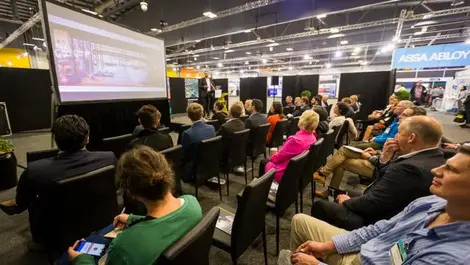
More than 2,680 delegates attended the Auckland event, as new energy management and smart-building displays drew strong interest from tradespeople.
Commercial buildings could soon gain healthier air, light and sound systems as EDGE Technologies and Delos test a shared platform.
Homebuyers are increasingly seeking properties that let them control lighting, heating and security from their devices.
Students will visit hazardous building sites and leaky-home repairs virtually, as the University of Auckland tests low-cost VR teaching tools.
Construction firms could save time and money as AI use is projected to jump from USD $407.2 million to USD $1.83 billion by 2023.
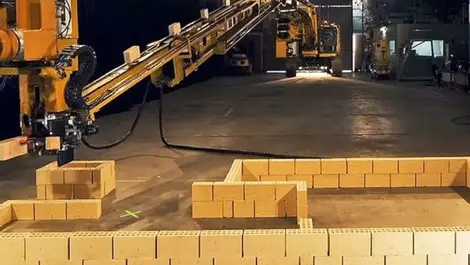
Rapid urbanisation and housing demand could give the Hadrian X a role in up to 600,000 low-rise builds a year within five years.
Investor confidence has recovered to September 2017 levels, even as online retail growth and flexible offices reshape New Zealand property demand.
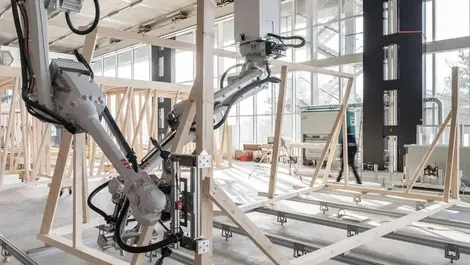
Robotic construction could cut costs and speed work on a school serving 1,800 people across 12 villages in Jiangxi province.
Real-time project data will now flag delays earlier for builders, as Acuite and PlanGrid link dashboards to improve margins and safety.
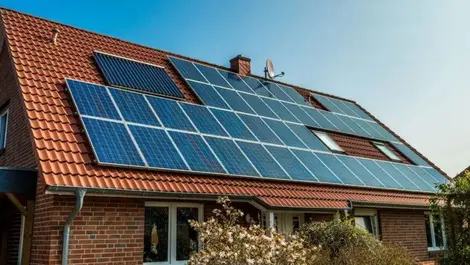
Auckland households can now check whether rooftop solar will pay off, using a free calculator that maps shading and roof angles.
A Kiev apartment sale paid for in cryptocurrency signals blockchain could simplify cross-border property deals and attract foreign investors.
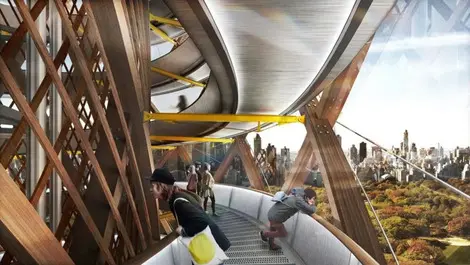
A 220-metre timber tower could clean contaminated reservoir water while opening one-eighth of Central Park to swimming and sailing.
Australasian real estate firms kept the top ESG ranking for a seventh year, though the gap with the rest of the world is narrowing.
A Montreal university team’s net-zero house could cut heating and cooling demand by up to 90 per cent in the 2018 Solar Decathlon.
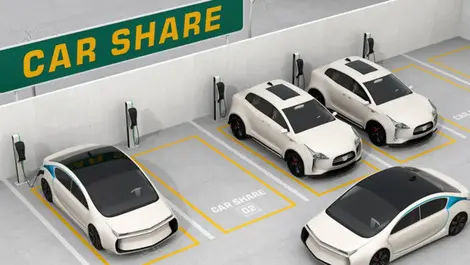
Tenants may need flexible parking and charging layouts as driverless vehicles reshape building design, delivery zones and site selection.
Travellers at Auckland Airport will soon be able to buy duty-free, parking and lounge access online in one transaction before collection.
Industry professionals will hear how AI, robotics and the Internet of Things could reshape buildings, facilities and urban spaces at an Auckland expo.