Online Safety stories
Fraudsters are timing texts for lunch and Fridays, as MrBeast led impersonation scams in Malwarebytes' three-month global study.
Australian users of OpenAI's security programme will now need hardware-backed passkeys, as older sign-in methods are disabled for higher-risk accounts.
Britons aged 25 to 34 are three times as likely as over-65s to fall victim, with social media and AI worsening scams.
Many firms lack the capacity to fix existing flaws fast enough, leaving them exposed as AI-generated attacks scale up, experts warn.
Families across Asia-Pacific are being lured by fake grants, scholarships and delivery alerts as scammers exploit rising education costs and AI tools.
Businesses are being urged to verify payment requests independently as AI makes phishing emails, calls and chats far harder to spot.
Children in six initial markets will get a curated streaming service, as Leel Phone uses Tuned Global's platform to tighten content controls.
Investigators in Australia, New Zealand and the US are already using the start-up's platform as online crime cases grow more complex.
The back-to-school move comes as parents and teachers report that screen time is fuelling rowdy classrooms and family disputes over phones.
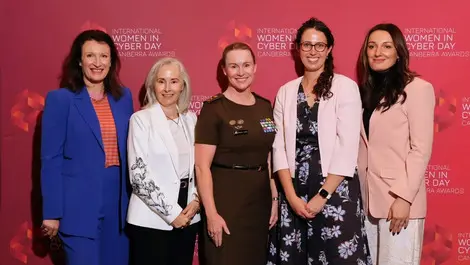
Skills shortages in Canberra's cyber sector are being tackled through awards for women, mentors and employers boosting inclusion.
A record shortlist across 20 categories spotlights women, non-binary people and allies shaping Australia's banking, health and education systems.
The fake acquisition pitch pushed an Avast employee towards a EUR €626,735.45 wire, exposing a broader impersonation scam across several industries.
Stricter identity checks and behavioural risk scores aim to cut scams, bots and harassment as the Palmerston North app takes on bigger rivals.
Participants will hear fresh evidence on scams and digital trust as Southeast Asia weighs tougher rules for a fast-growing digital economy.
Victims are being left to fend for themselves as fraud becomes industrialised, with many still blaming themselves after scams.
The plan faces an uncertain path in Parliament, with coalition partners ACT and New Zealand First refusing support for the under-16s ban.
Rising scam losses in Australia are pushing businesses to verify texts, images and voice notes before paying or acting on urgent requests.
Targeted fraud is inflicting bigger losses on small firms as AI helps criminals forge convincing invoices and impersonations in Australia.
Support for tougher online protections comes with calls for scrutiny of age checks, as TUANZ warns they could harm privacy and exclude vulnerable youth.
The award aims to widen Canada's cybersecurity talent pipeline as women remain underrepresented in the fast-growing sector.