Online Safety stories
APAC security teams can cut AI bills sharply by filtering routine cases before they reach costly frontier models, without weakening defences.
The tie-up should give Japanese banks and investigators faster access to cross-border scam intelligence as fraudsters move across platforms and borders.
Billions already within coverage risk missing AI-era services as entry-level smartphones become less affordable in low-income markets.
Criminal access to thousands of Microsoft accounts was cut off after the companies shared threat data through the Global Signal Exchange.
Students may know how to manage stress, but most are not practising those skills when pressure rises, a survey of 72,000 finds.
Australia may let users switch off personalised feeds as regulators move to curb harmful content and protect under-18s online.
The survey points to tighter rules, stronger brand scrutiny and gaming's growing role in how Australians socialise, learn and spend.
As demand for cybersecurity tools grows, the company is bolstering governance and talent leadership to support global expansion.
Young learners will get free lessons on budgeting, credit and blockchain as the partnership targets financial skills in emerging economies.
Cheap smart glasses are raising privacy fears as experts warn they could make covert filming easier in public and private spaces alike.
Scammers are draining older adults' savings through romance, friendship and fake AI trading pitches on social media before withdrawals are blocked.
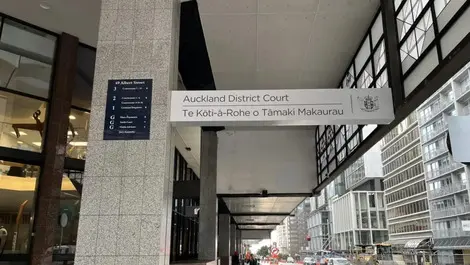
A Dunedin man was deceived out of more than NZD $525,000 over 18 years by an Auckland woman posing as an Australian police recruit.
Business customers will soon be able to share bank details with fewer fraud risks, after the bank became the first in New Zealand cleared to issue digital IDs.
Businesses have almost no time to patch flaws now, as ESET says the median gap between disclosure and exploitation fell to zero days in 2026.
Local brands will get more support as the ad verification firm deepens its Malaysia push amid rising concern over AI-generated content quality.
Calls for tighter AI safeguards have intensified after warnings the technology could outpace human control and threaten jobs, security and markets.
With deepfakes and other harms already reaching users, academics say a dedicated office would help New Zealand regulate AI and join global talks.
Public anxiety over jobs, power bills and harmful content is pushing AI to the centre of New Zealand's election campaign.
The plan would give New Zealand a dedicated AI office and tougher copyright protections, aiming to curb risks and share gains with workers.
Unresolved fraud is eroding confidence in Southeast Asia's digital economy, with scam victims often switching providers after losses.