Identity Theft stories
BlueVoyant warns Australian firms after Qantas and Mango suffer breaches via third-party suppliers, highlighting risks in supply chain cyber security.
A WestJet data breach exposed passengers' passports and IDs, heightening risks of long-term identity theft and synthetic fraud schemes globally.
Barracuda warns of a surge in advanced OAuth phishing attacks exploiting Microsoft 365 and other platforms to steal access tokens and bypass multifactor authentication.
India leads Asia Pacific in AI adoption with 56% of metro adults using generative AI in 2025, driven by high AI literacy and strong institutional trust.
AI-powered cybercrime has surged in the UK, with new scams causing losses of nearly GBP £100 million amid deepfake and phishing attacks.
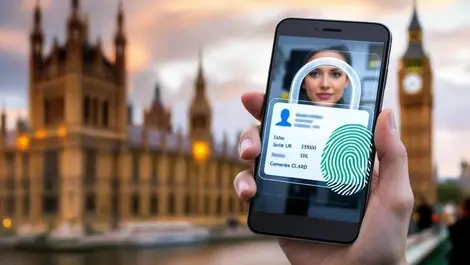
MPs will debate Labour's plan for a compulsory digital ID system in the UK, sparking discussions on security, privacy, and legal safeguards.
Over six million people in the UK use a single password for all accounts, fuelling a rise in hacking as reports soar to 35,434 in 2024, warns new survey.
Droplet's NeverTrust security solution certified on HPE ProLiant to shield UK firms from costly breaches by isolating applications beyond identity-based controls.
Australia ranks tenth globally for cyberattack frequency, with AI fueling a rise in ransomware and extortion, Microsoft reports in its 2025 Digital Defence Review.
UK cyberattacks have surged, prompting calls for revamped security and stricter supplier oversight amid escalating threats and costly breaches.
Most Australians fear losing control amid AI advances, urging urgent government action to build trust and manage the technology's societal impact.
Bitdefender launches They Wear Our Faces campaign to fight AI-driven scams like deepfakes, warning consumers worldwide to stay alert and protect personal data.
Nearly half of UK users rely on weak passwords like "123456," risking cyber attacks as searches for stronger credentials surge 133%.
With 28% of UK workers hybrid working, cyberattacks now cost firms over GBP £10,000 on average, raising urgent security concerns for remote staff.
As cyberattacks rise, Australian SMEs urged to boost defences with staff training and multi-factor authentication during Cybersecurity Awareness Month.
Malaysia's top mobile operators launch a Number Verification API to help businesses combat online fraud and boost digital security across networks.
Two UK teenagers linked to SCATTERED SPIDER have been charged for cyberattacks disrupting Transport for London, amid ongoing global cyber threats.
Australian firms face rising code repository attacks and are urged by Avocado Consulting to tighten security by eradicating secrets and monitoring software supply chains closely.
Kering has revealed a data breach exposing details and spending info of 7.4 million customers of Gucci, Balenciaga, and Alexander McQueen.
Nearly a quarter of New Zealand SMEs have already been hit by cyberattacks, with many still lacking basic defences against costly breaches.